Chimney inspection in Greenwich, CT
Chimney Inspection Greenwich CT
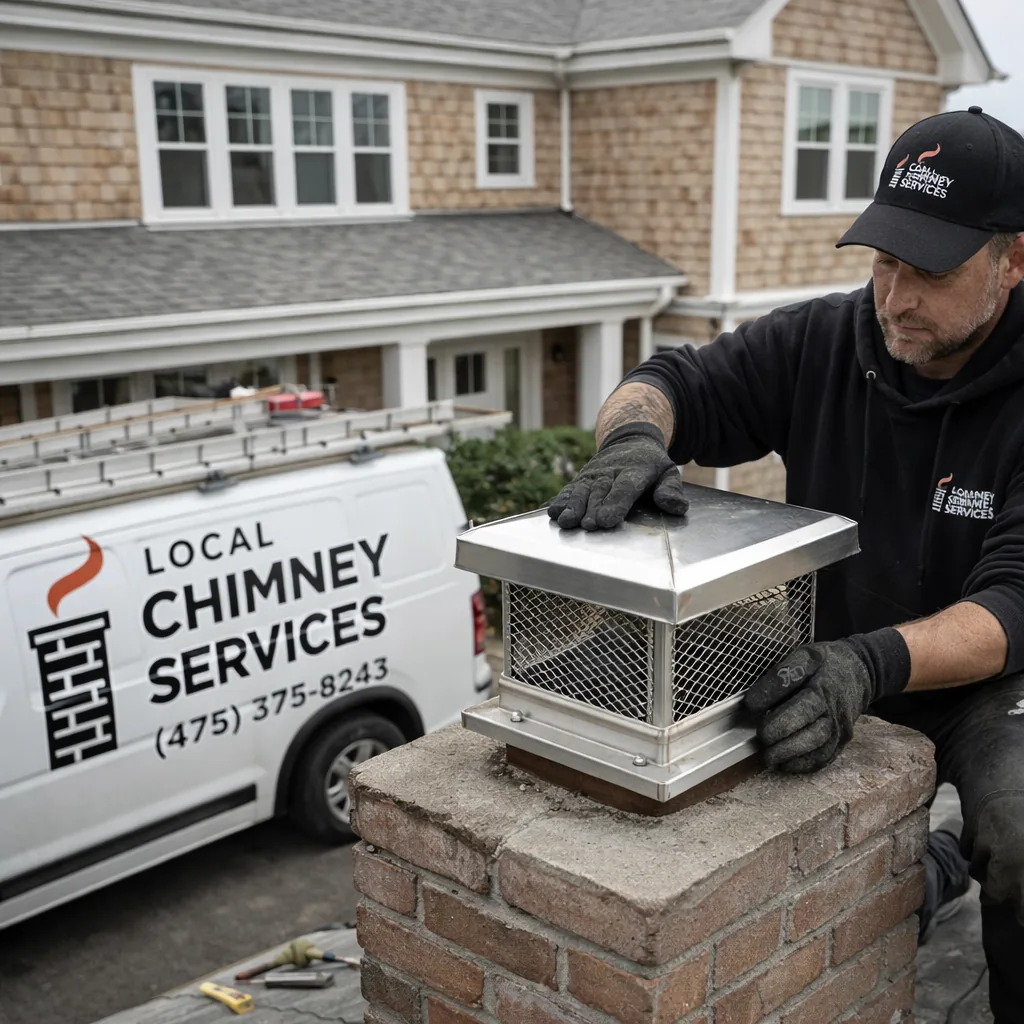
A CSIA-trained inspection checks the crown, cap, flashing, liner, and flue against NFPA 211 guidance, and you get a photo-documented report of exactly what we found.
- CSIA-Trained Technicians
- 10+ Years in Fairfield County
- 100% Satisfaction Guarantee
NFPA 211 levels, older masonry
What a Real Inspection Actually Covers
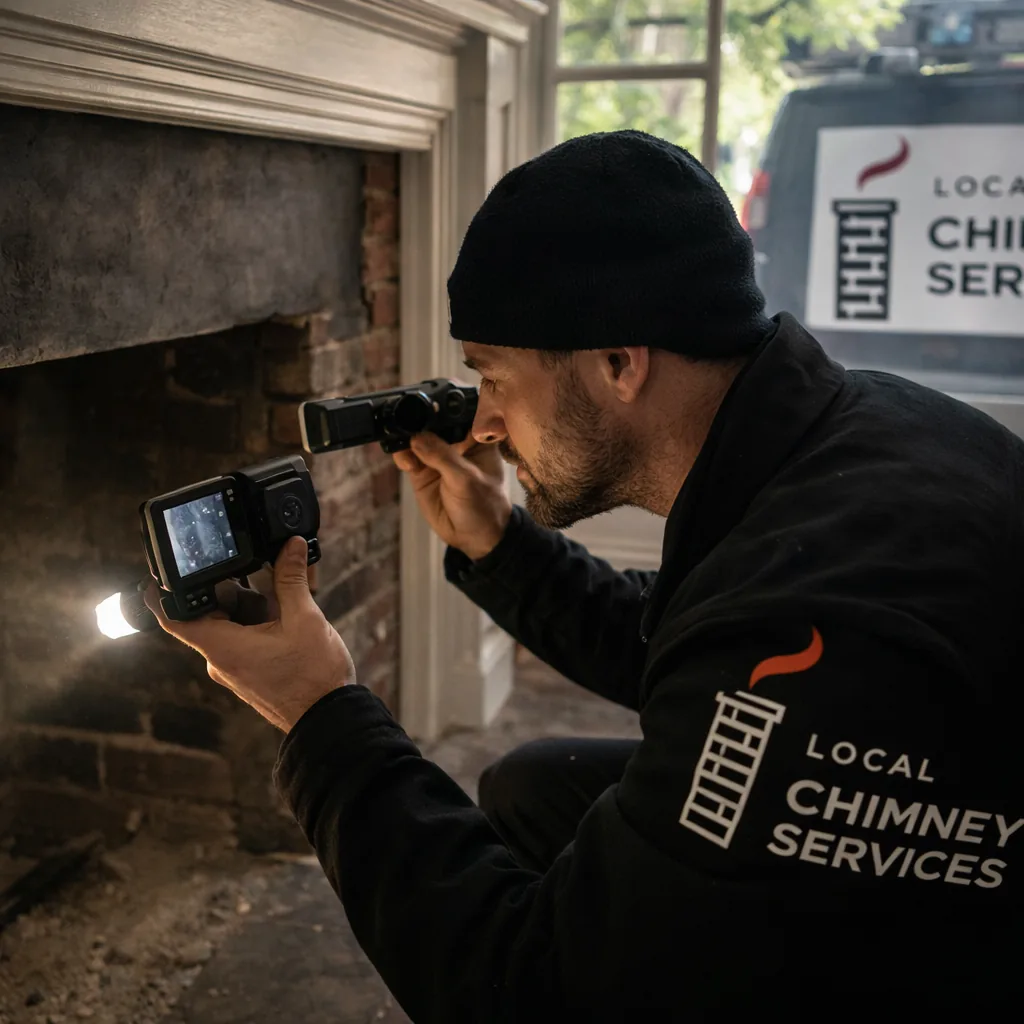
NFPA 211, the national fire code standard for chimneys, calls for an annual inspection on any chimney in regular use, and it defines three levels depending on what's being checked and why. A Level 1 inspection covers the readily accessible parts of the system, the firebox, damper, crown, and the visible flue, and is what most homes need for a routine annual check. A Level 2 inspection goes further, using a camera to scan the full length of the flue interior, and is called for after a change like a new liner, a chimney fire, storm damage, or before a home sale. Greenwich and lower Fairfield County have a lot of older colonial and stone homes with original masonry chimneys, and a fair number of them have never had the flue interior actually scanned, only looked at from the firebox.
What we're looking for changes by what's asked. On a routine visit, that means creosote buildup and its stage, since creosote forms in layers from a light first-degree coating to a thick, glazed third-degree buildup that's genuinely dangerous and much harder to remove. It also means checking the crown for cracking, the cap for damage or corrosion, the flashing where the chimney meets the roof, and the liner for cracked tiles or gaps that let heat or gas escape into the surrounding masonry. Homes here often run two flues, one for a fireplace and a separate one venting a furnace or boiler, and each gets checked on its own since wear on one doesn't tell you much about the other.
An inspection is also the point where problems get caught before they turn into an expensive repair. A hairline crown crack, a gap in the flashing, or a liner that's starting to deteriorate is far cheaper to address early than after a full season of freeze-thaw cycles and coastal storms have made it worse. If sweeping hasn't happened in a while, a chimney sweep is often paired with the inspection so creosote is cleared while the technician is already up there. If the inspection does turn up masonry damage, chimney repair is something we handle directly rather than referring you out to a separate mason.
We also inspect ahead of a real estate closing, after a chimney fire, or any time something feels off, a strange smell, smoke backing up into the room, or visible staining near the fireplace. Our chimney service in Greenwich treats the inspection as the starting point for almost everything else we do, since it's the only way to know what a chimney actually needs instead of guessing.
Crown, flue, liner and firebox
What's Checked During an Inspection
-
Creosote and Soot Buildup
We identify the stage of creosote buildup in the flue, from light and flaky to the dense, glazed buildup that raises fire risk.
-
Crown and Cap Condition
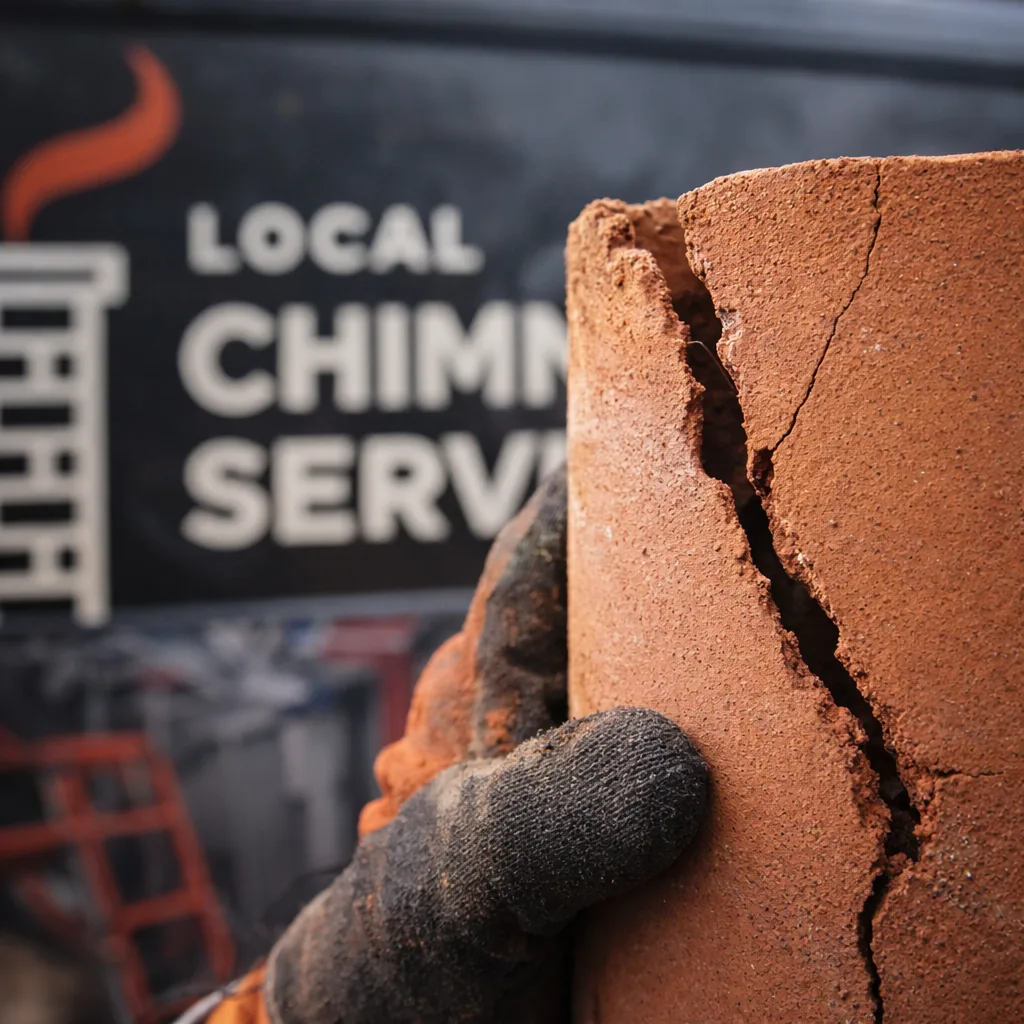
The concrete crown and the cap are checked for cracking, spalling, corrosion, or gaps that let water into the chimney.
-
Flashing at the Roofline
The joint where the chimney meets the roof is checked for corrosion or gaps that are a common source of hidden leaks.
-
Flue Liner Integrity
The liner is checked for cracked tile, gaps, or deterioration that could let heat or combustion gases reach the surrounding masonry.
-
Firebox and Damper
The firebox brick and the damper are checked for damage and proper operation, since a stuck or leaking damper affects draft and efficiency.
-
Photo-Documented Findings
Every inspection comes with photos of what was found, so you can see the actual condition rather than take our word for it.
-
10+ Years
Sweeping and repairing Fairfield County chimneys
-
100%
Satisfaction guarantee on workmanship
-
7 Days
A week, with extended hours through heating season
-
CSIA
Trained chimney technicians
From booking to photo report
How an Inspection Appointment Works
Five stages, from the first call through the photo report and whatever it points to next.
-
01
Schedule a Visit
Tell us the reason for the inspection, whether it's an annual check, a home sale, or something you noticed, and we'll find a time.
-
02
Level 1 or Level 2 Assessment
A CSIA-trained technician determines which level of inspection fits your situation before starting.
-
03
Full System Check
The crown, cap, flashing, flue, liner, firebox, and damper all get checked and documented as part of the visit.
-
04
Photo Report
You get a photo-documented report showing exactly what was found, including anything that needs follow-up.
-
05
Next Steps If Needed
If sweeping or repair work is called for, we walk you through the options with a free, upfront quote before anything starts.
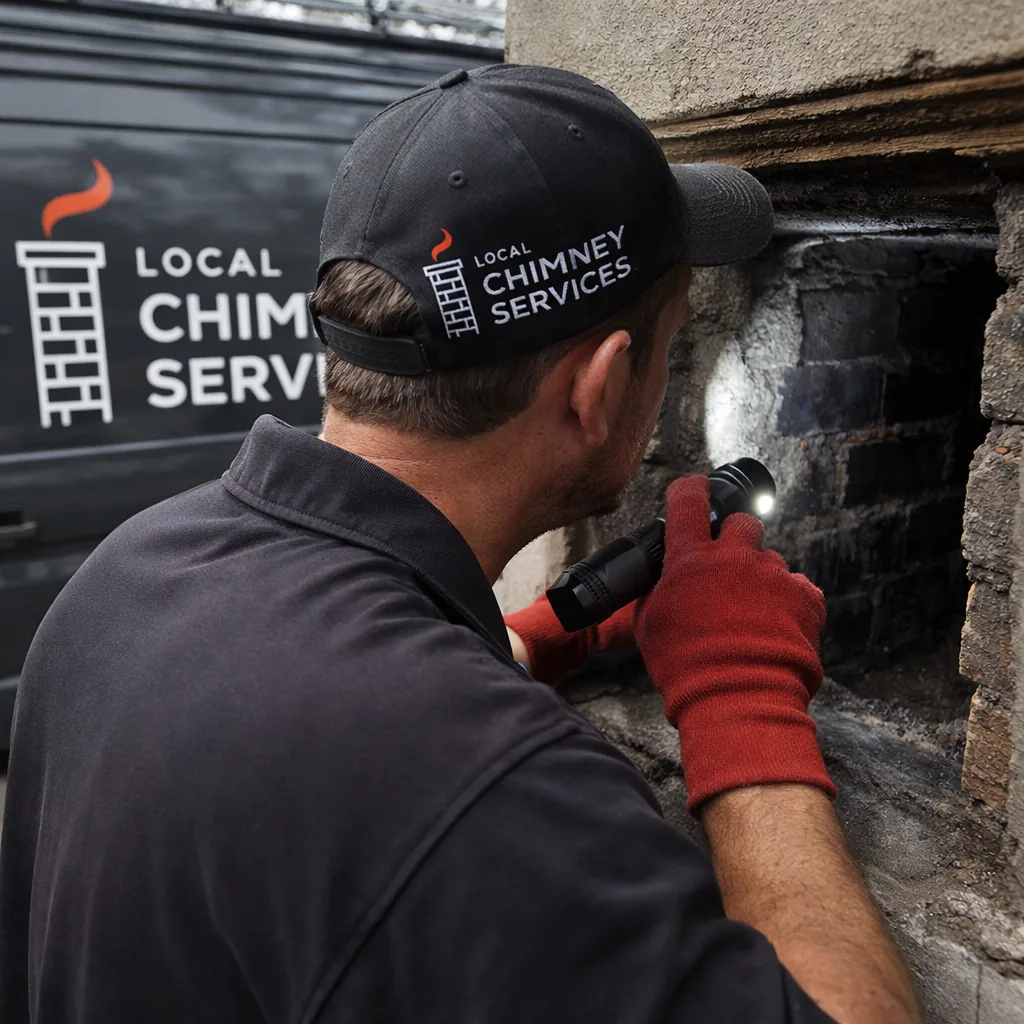
Findings documented on site
Recent Inspections
Levels, frequency and home sales
Questions homeowners ask about inspections
What do they do in a chimney inspection?
How much is it to get your chimney inspected?
What is the 3-2-10 rule for chimneys?
Are chimney inspections worth it?
How often does a chimney really need to be inspected?
Do I need a chimney inspection before selling my house?
Booking the heating season now
Ready to Find Out What Your Chimney Actually Needs?
Whether it's been a while since your last check or you're preparing for a home sale, we'll get a CSIA-trained technician out to give you a clear, photo-documented picture of where things stand.
Serving Greenwich
Local Chimney Services provides fast, same-day garage door repair, installation, and service across Greenwich and the surrounding Orange County communities. Licensed, bonded, and insured, with technicians who call ahead.