
Chimney relining in Greenwich, CT
Chimney Liner Cost
Relining cost comes down to a handful of real factors, flue size, liner material, and how much masonry work comes with it, and we lay them out before any work begins.
- CSIA-Trained Technicians
- Free Upfront Quotes
- Written Parts-and-Labor Warranty
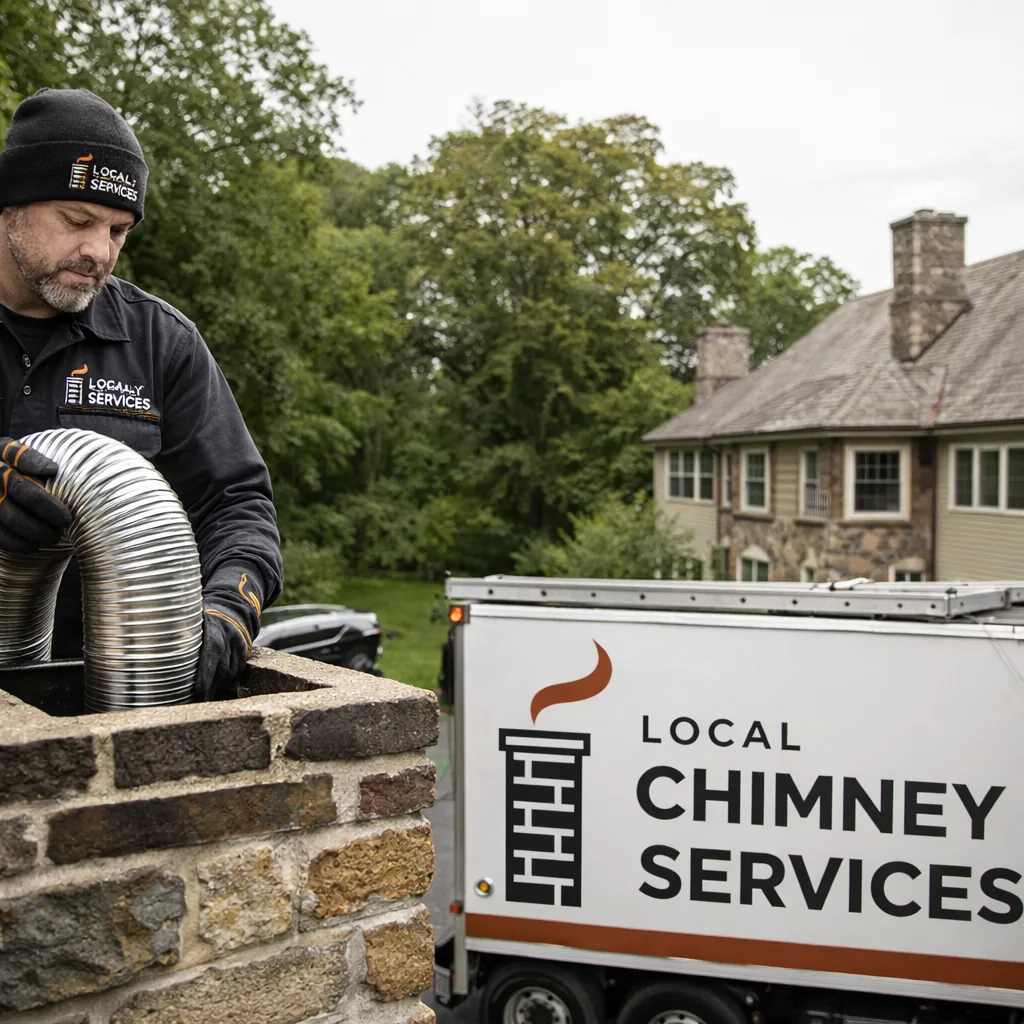
Flue size, material and masonry condition
What Actually Drives the Price of a Liner
A flue liner protects the masonry around it from heat and combustion byproducts, and it's not optional equipment, it's what makes a chimney safe to use for either a fireplace or a heating appliance. When homeowners ask about cost, the honest answer is that it depends on a specific set of factors rather than a flat number, and we'd rather explain those factors than throw out a figure that doesn't apply to your chimney.
Flue size and chimney height matter first. A taller chimney, common on the two-and-three-story colonials found throughout Greenwich and towns like Darien and New Canaan, simply takes more liner material and more time to run than a single-story flue, and a wider flue serving a larger fireplace costs more to line than a narrow one venting a small heating appliance. Material choice matters just as much. Stainless steel liner is the standard for most relines, flexible for older, slightly irregular flues or rigid for straight runs, and it can be insulated to improve draft and reduce creosote buildup in a home used through a full New England heating season. Cast-in-place lining, where a lightweight masonry mix is poured to form a smooth new interior surface, is a different approach usually reserved for flues in worse structural condition, and it costs more than a standard stainless steel liner.
The condition of the existing masonry changes the job too. A flue with cracked tile or heavy creosote buildup needs more prep work before a new liner goes in, and if the crown or flashing at the top of the chimney also needs repair, which is common on older homes that have been through years of freeze-thaw cycles and coastal salt air, that work gets folded into the same visit rather than becoming a separate call later. Roof access plays a role as well. Steep or high rooflines, more common on the area's older stone and colonial homes, can require additional safety equipment and time that a simple, low-pitched roof doesn't.
Because every one of these factors varies by chimney, we look at your flue in person, check its size, material condition, and access, and give a free, upfront quote before any work starts. That's also usually the point where a full chimney inspection makes sense, since it confirms exactly what condition the flue is in before pricing the reline. If the liner issue turns out to be part of a bigger masonry problem, chimney repair work gets scoped at the same time. Our chimney service across Greenwich is built around that same approach for every job, look first, then quote, never the other way around.
Six things we check on site
What Changes the Cost of a Reline
-
Flue Size and Height
Taller chimneys and wider flues need more liner material and more labor to run the full length safely.
-
Liner Material
Stainless steel liner, flexible or rigid, is the standard choice, while cast-in-place lining costs more and suits flues in worse structural shape.
-
Insulation
An insulated liner improves draft and reduces creosote buildup through a heavy heating season, and adds to the material cost.
-
Masonry Condition
Cracked flue tile or heavy creosote buildup means more prep work before a new liner can go in.
-
Crown or Flashing Work
If the crown or flashing at the top of the chimney also needs repair, combining that work with the reline saves a separate visit.
-
Roof Access
Steep or high rooflines, common on the area's older stone and colonial homes, can require extra safety setup that adds time.
-
10+ Years
Sweeping and repairing Fairfield County chimneys
-
100%
Satisfaction guarantee on workmanship
-
7 Days
A week, with extended hours through heating season
-
CSIA
Trained chimney technicians
Assess first, price second
How We Get You an Accurate Quote
-
01
Schedule a Visit
Tell us what's prompting the question, whether it's a failed inspection, a cracked tile you can see, or just planning ahead.
-
02
On-Site Assessment
A CSIA-trained technician measures the flue, checks its condition, and looks at roof access before pricing anything.
-
03
Material and Scope Recommendation
We explain whether a standard stainless liner, an insulated liner, or cast-in-place lining fits your chimney and why.
-
04
Upfront Written Quote
You get a clear, no-obligation quote covering the full scope before any work begins, no surprise add-ons partway through.
-
05
Installation and Sign-Off
Once approved, the liner goes in and the finished work is backed by a written parts-and-labor warranty.
Stainless liners, before and after
Recent Relining Projects
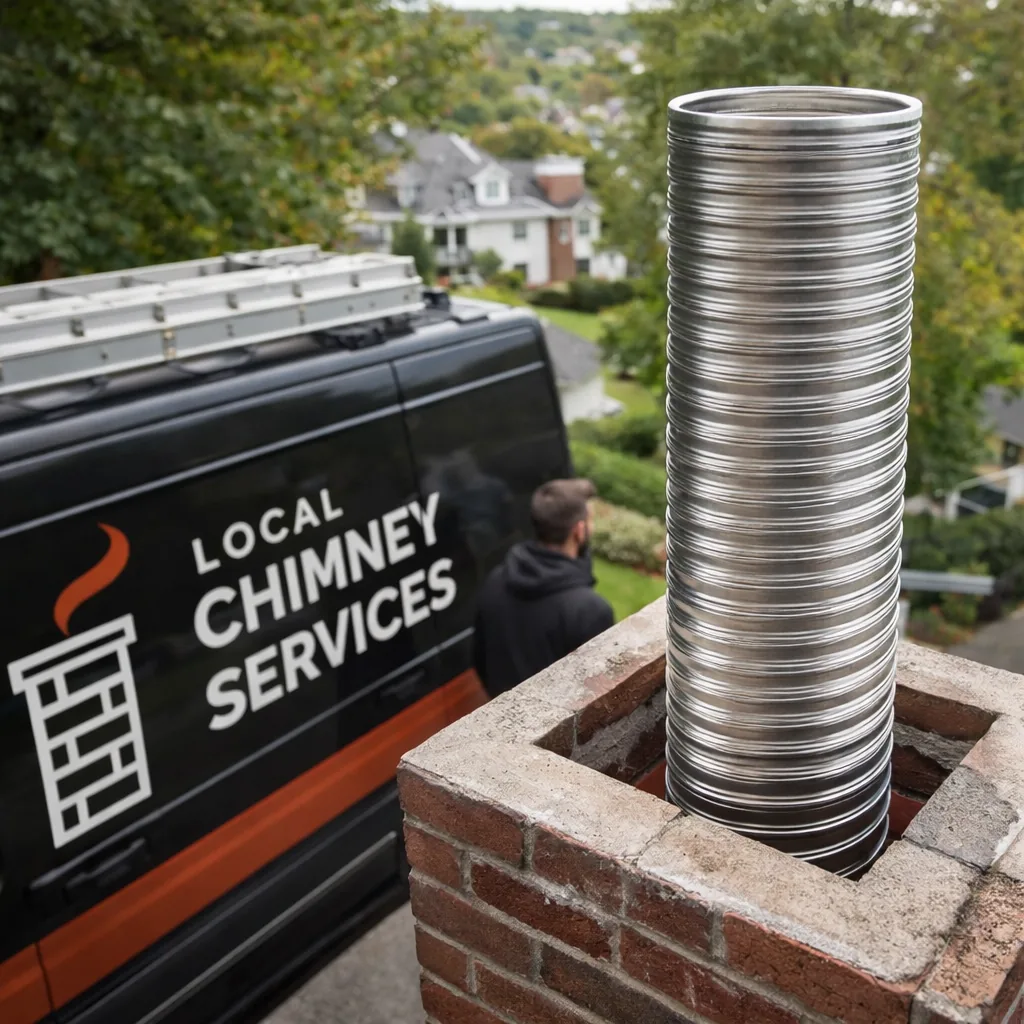
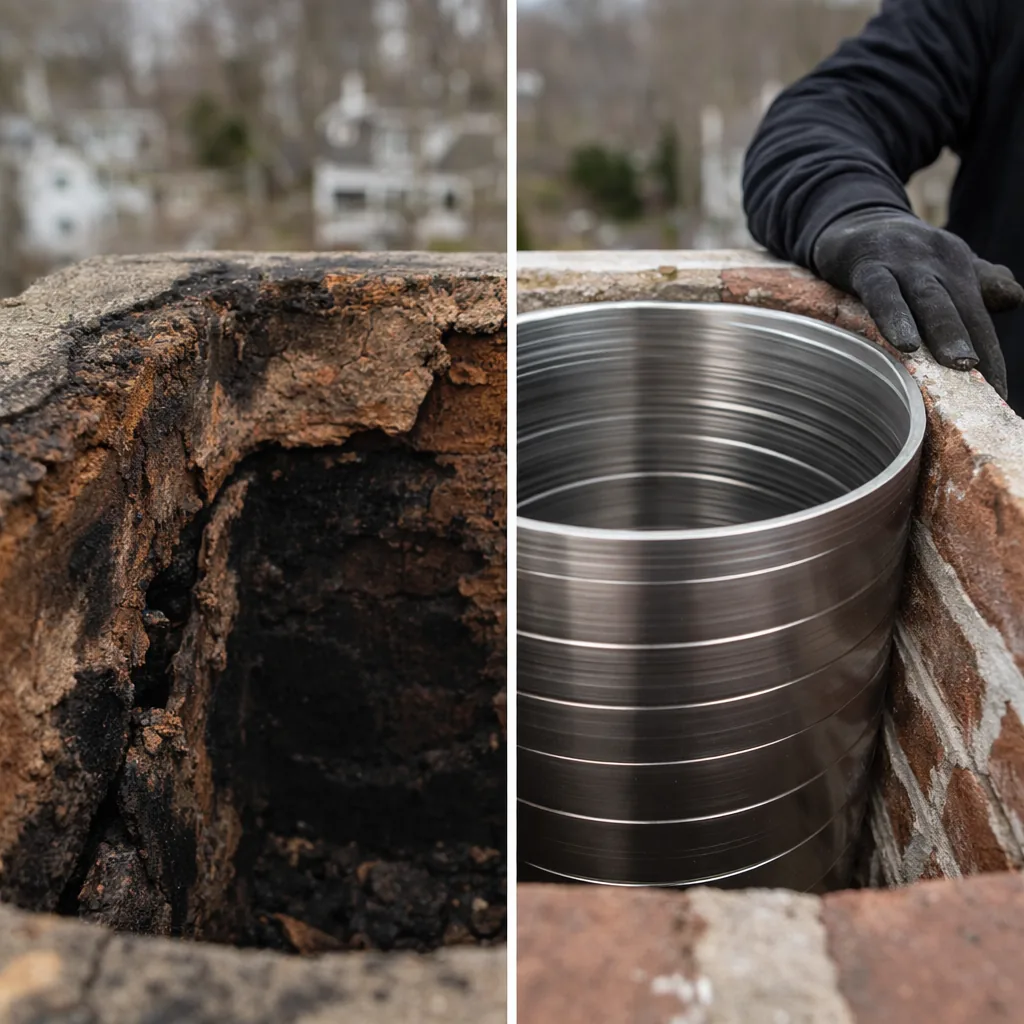
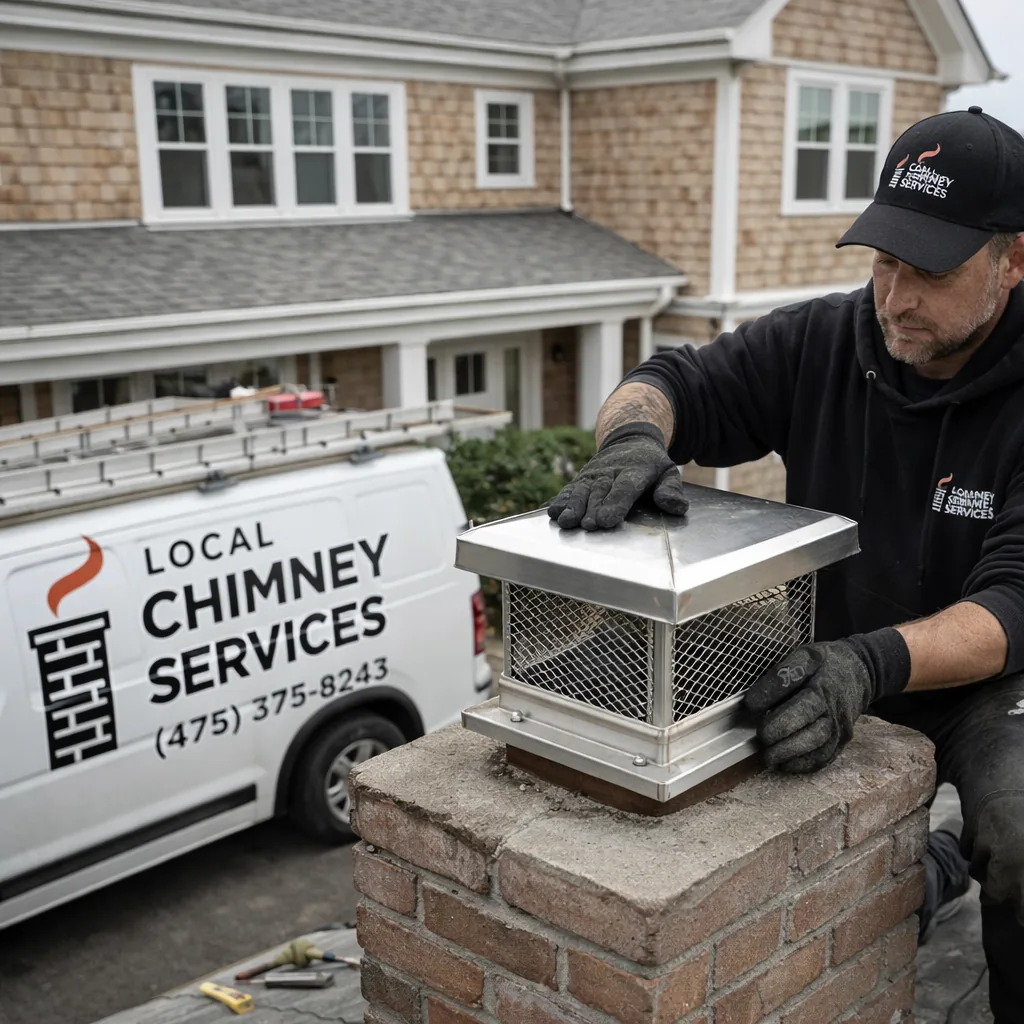
Relining, materials and scope
Questions homeowners ask about liner cost
How much does it cost to have a chimney liner installed?
Is stainless steel liner more expensive than cast-in-place lining?
Can you install a chimney liner yourself?
Is it hard to put in a chimney liner?
Can you put a liner in an old chimney?
Does relining cost more if the crown also needs repair?
Booking the heating season now
Want a Real Number for Your Chimney?
Tell us a bit about your flue, its height, and what an inspection may have already found, and we'll get you an honest, upfront quote before any work starts.
Serving Greenwich
Local Chimney Services provides fast, same-day garage door repair, installation, and service across Greenwich and the surrounding Orange County communities. Licensed, bonded, and insured, with technicians who call ahead.