
Wood stove venting and installation, Greenwich CT
EPA Certified Wood Stoves
EPA certified wood stoves burn cleaner and use less wood than older models, and our Greenwich team checks the venting and clearances so the installation is done right the first time.
- CSIA-Trained Technicians
- 100% Satisfaction Guarantee
- Open 7 Days a Week
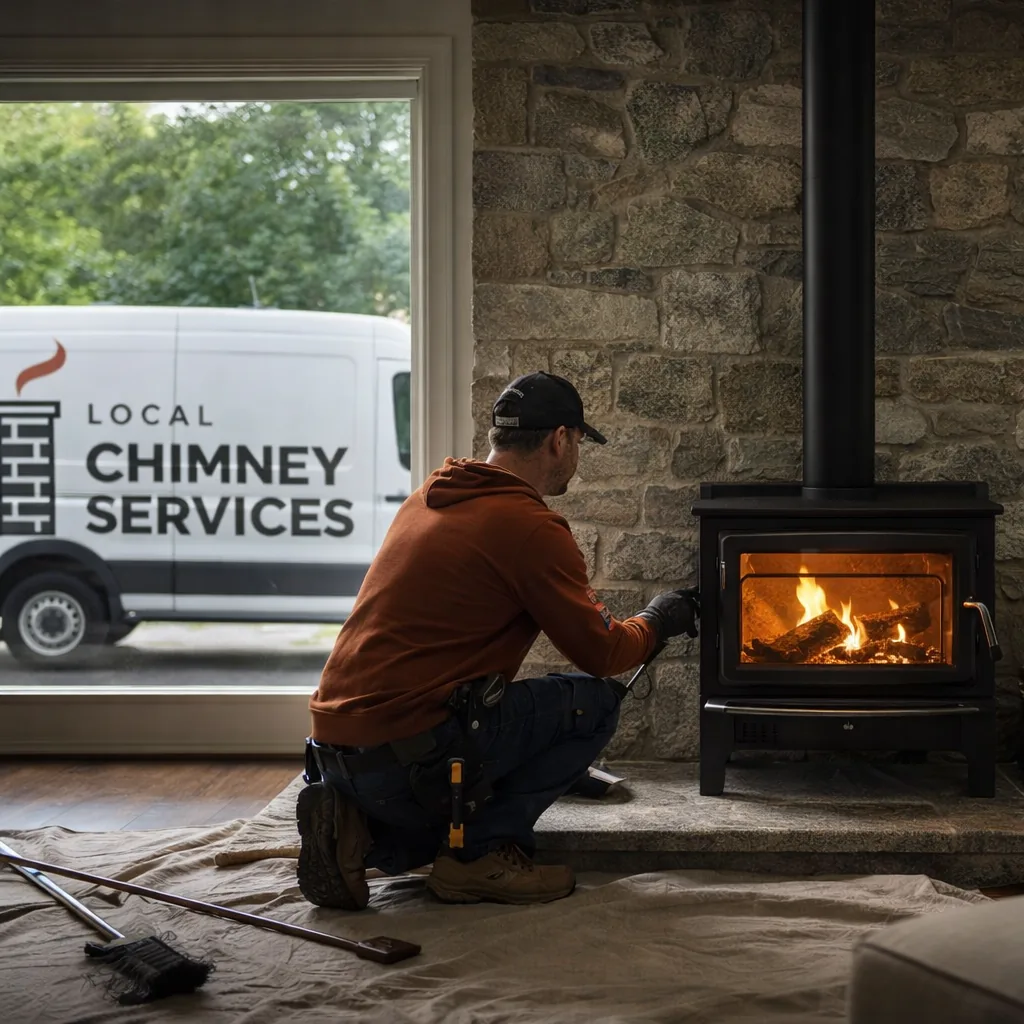
Certified stoves, older Greenwich flues
What EPA Certification Means For Your Wood Stove
An EPA certified wood stove has been tested and shown to burn wood more completely than an older, uncertified unit, releasing far less particulate matter up the flue. The stoves get there with one of two combustion designs, catalytic units that route smoke through a coated combustor for a second burn, or non-catalytic units that use a baffle and pre-heated secondary air to burn off smoke inside the firebox before it ever reaches the chimney. Either way, more of the wood's heat ends up in the room instead of drifting outside as visible smoke, so certified stoves also tend to use less wood to produce the same warmth.
Replacing an old stove matters here in lower Fairfield County. Many Greenwich homes still have a wood stove installed decades ago, sometimes tied into a masonry fireplace that was never designed for the stove's specific clearances or flue size. An old, uncertified stove can smolder and glaze the flue with creosote fast, and its lower burn temperature makes that buildup worse over a season of regular use. Swapping in a certified stove is often paired with correcting the venting at the same time, since the two decisions are really one project.
Venting and clearances are where installations go wrong. A wood stove needs a listed connector pipe sized to the appliance, a chimney liner matched to that pipe's diameter, and specific clearances to combustibles on every side, tighter if the stove sits on a rated hearth pad and wider if it doesn't. Older colonial homes with a single oversized masonry flue often need that flue relined and sometimes reduced in diameter before a stove will draft correctly, since a flue built for an open fireplace draws differently than one sized for a stove's smaller flue collar.
Owning a certified stove doesn't remove the maintenance side of things. The flue and connector pipe still collect creosote over a heating season, so scheduling a chimney sweep on the same yearly rhythm as any wood-burning fireplace keeps the system drafting the way it was designed to. A yearly chimney inspection is the other half of that, confirming the liner, connector, and clearances are all still sound before cold weather sets in. If the masonry needs attention before a stove goes in, cracked flue tile or a crumbling smoke shelf, that kind of chimney repair work happens before the liner and connector go in, not after.
Venting, clearances and liner sizing
What Goes Into a Proper Installation
-
EPA-Regulated Emissions
Every EPA certified stove is lab tested for the amount of particulate matter it sends up the flue, and it has to meet a federal ceiling that uncertified older stoves were never held to.
-
Catalytic and Non-Catalytic Options
Certified stoves burn cleaner through one of two designs, a catalytic combustor for a second burn or a non-catalytic firebox with baffles and preheated air, and either can suit a Greenwich home depending on how it's used.
-
Correct Connector Pipe and Liner Sizing
The stove's flue collar has to match a listed connector pipe and a properly sized chimney liner, not the oversized flue that many older masonry fireplaces were originally built with.
-
Clearances to Combustibles
Mantels, trim, and nearby framing all need specific clearance distances from the stove body and connector pipe, and those distances change depending on the hearth pad and any wall shielding installed.
-
Less Creosote From a Cleaner Burn
Because certified stoves burn more completely, they typically deposit less creosote in the flue over a season than an old, smoldering unit did, though regular sweeping still matters.
-
Inspection Before and After Installation
We check the existing flue's condition before recommending a stove, then confirm the finished installation drafts and seals correctly once everything is in place.
-
10+ Years
sweeping and repairing Fairfield County chimneys
-
100%
satisfaction guarantee on workmanship
-
7 Days
a week, with extended hours through heating season
-
CSIA
trained chimney technicians
Evaluation, venting and follow-up
How an Evaluation and Installation Works
-
01
Schedule an Evaluation
Tell us what you're working with, whether that's an aging stove you're ready to replace or a chimney you want checked before buying a new one.
-
02
On-Site Flue and Clearance Check
A CSIA-trained technician measures the existing flue, connector pipe, and surrounding clearances against what a certified stove will actually need.
-
03
Venting and Liner Recommendations
We lay out what the flue needs, whether that's relining, resizing, or confirming it will draft correctly, before you commit to a stove.
-
04
Sweep and Safety Check
Once a stove is in place, the flue and connector pipe get swept and checked on a regular schedule to keep creosote from building up behind the certification numbers.
-
05
Photo Report and Sign-Off
You get a photo-documented report of the flue's condition and any work completed, so there's a record of what was checked and when.
Stoves, connectors and clearances
Recent Wood Stove Work
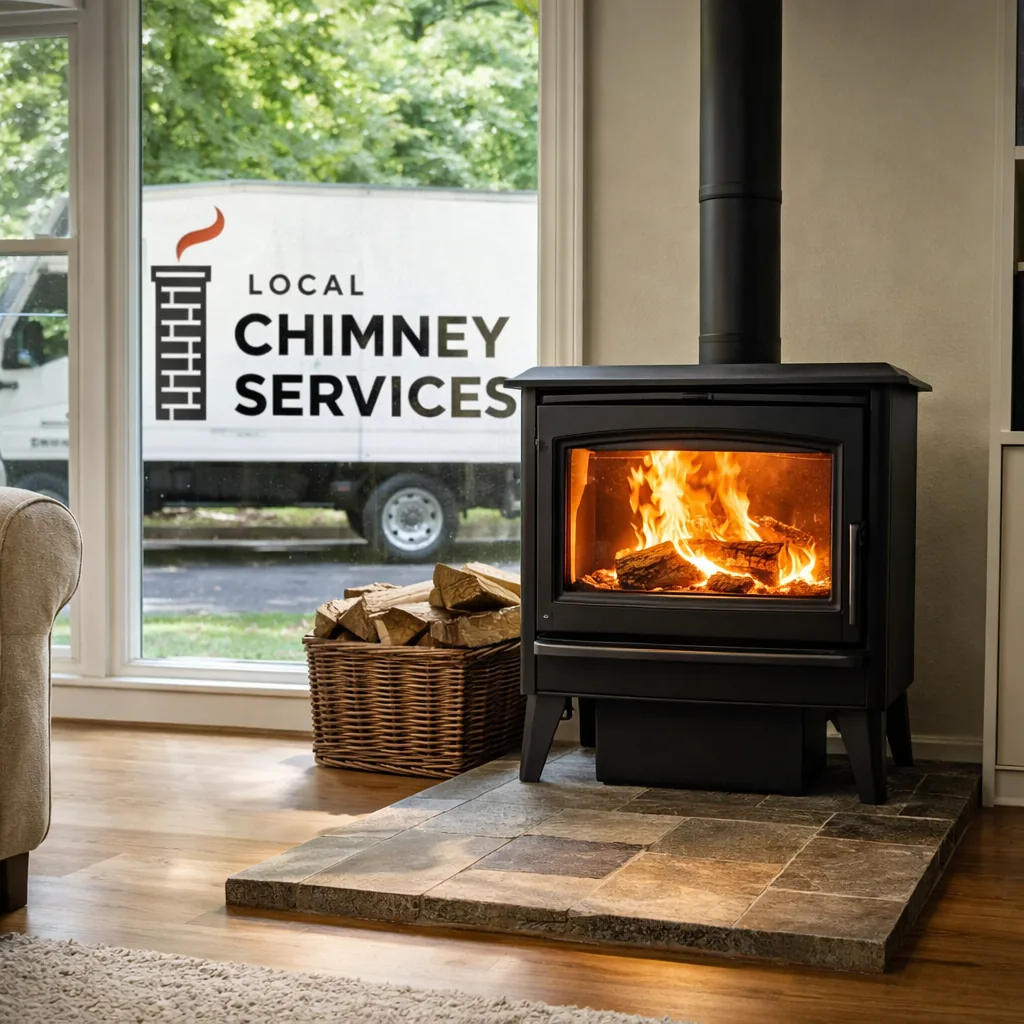
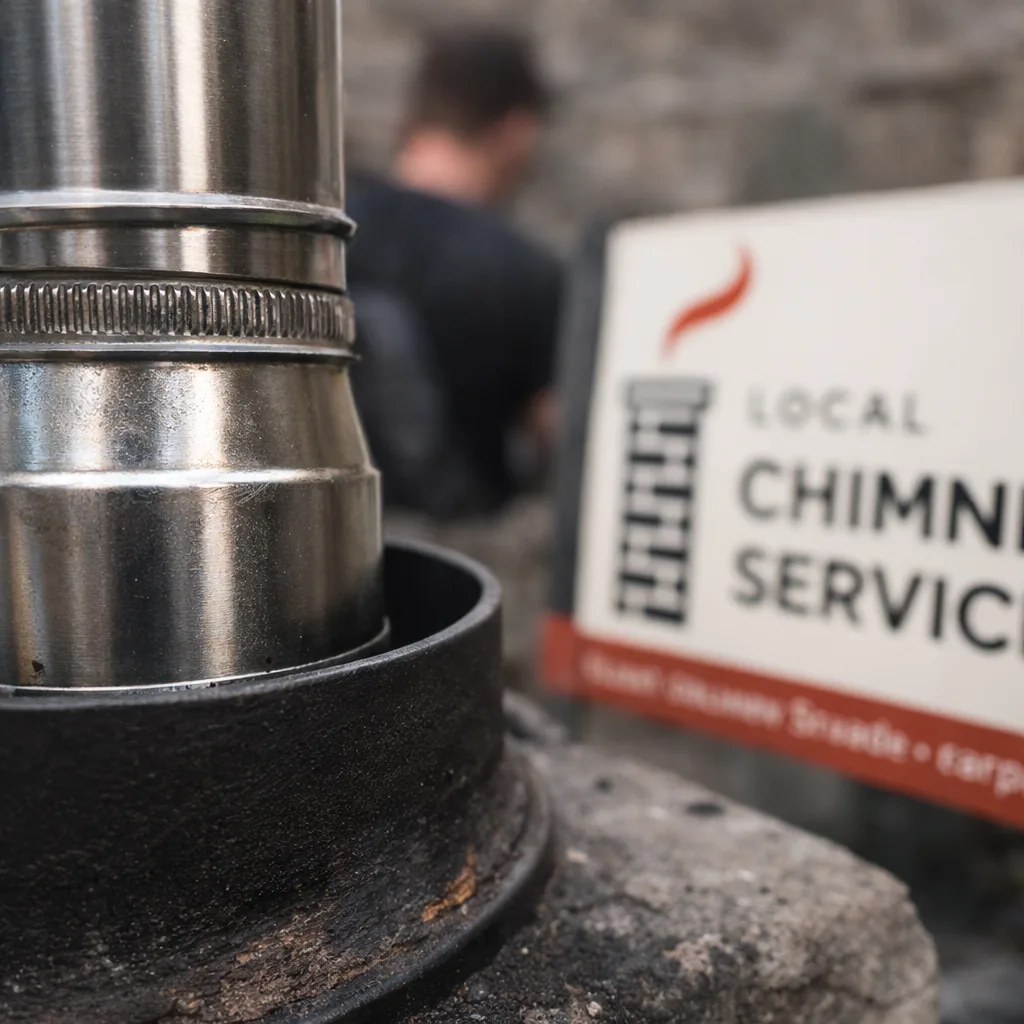
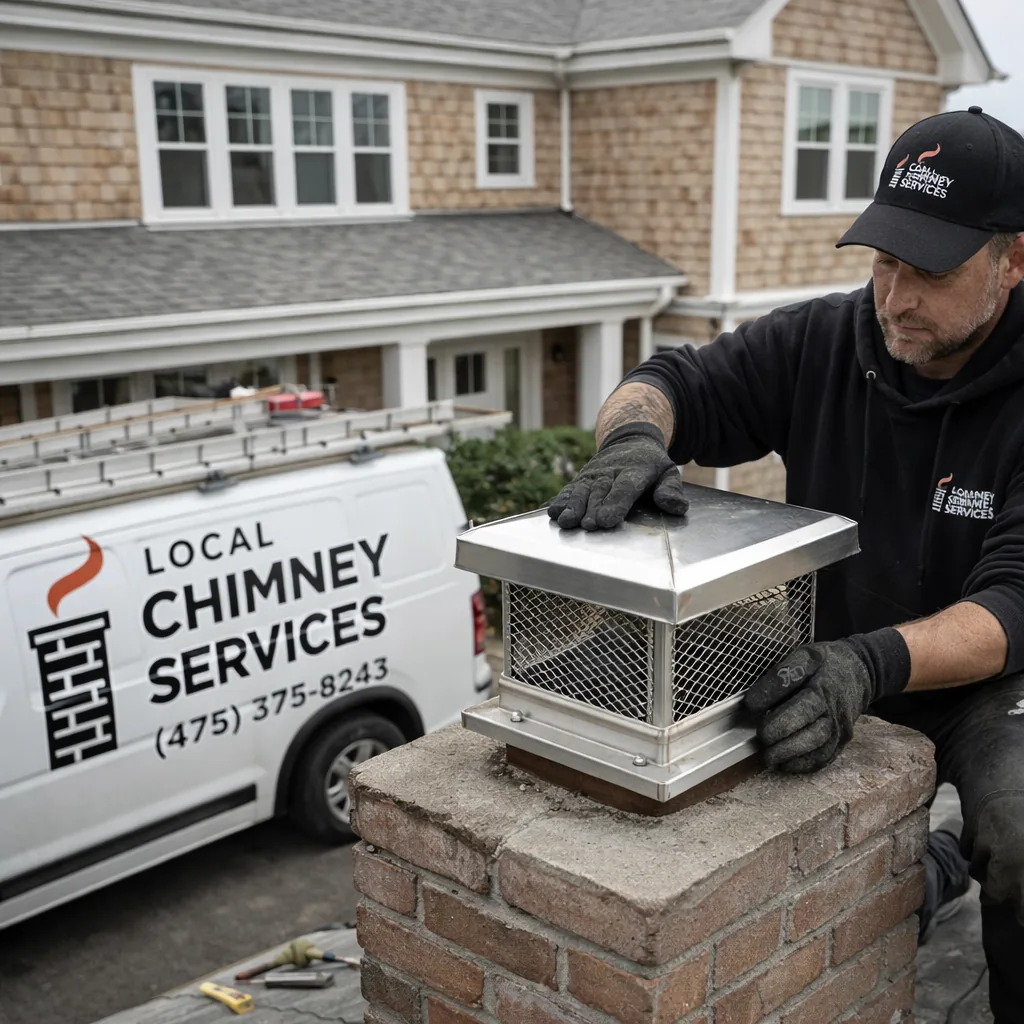
Replacement, venting and sweeping
Questions homeowners ask about wood stoves
Is it worth replacing an old wood stove with an EPA certified one?
Can I install an EPA certified stove into an existing fireplace?
How often does the flue need to be swept once a certified stove is installed?
Does an EPA certified stove need special clearances compared to an older stove?
What happens if my chimney flue is too big for a new stove?
Can a wood stove be vented through a chimney that already had a fireplace insert removed?
Booking the heating season now
Thinking About an EPA Certified Wood Stove?
Whether you're replacing an old stove or starting from an open fireplace, we'll look at your flue and clearances first so you know what the installation actually involves before you buy anything.
Serving Greenwich
Local Chimney Services provides fast, same-day garage door repair, installation, and service across Greenwich and the surrounding Orange County communities. Licensed, bonded, and insured, with technicians who call ahead.