
Chimney relining in Greenwich, CT
Chimney Liner Installation
A properly sized, correctly installed liner protects the masonry around your flue from heat and combustion gases, on a fireplace or a heating appliance.
- CSIA-Trained Technicians
- 10+ Years in Fairfield County
- 100% Satisfaction Guarantee
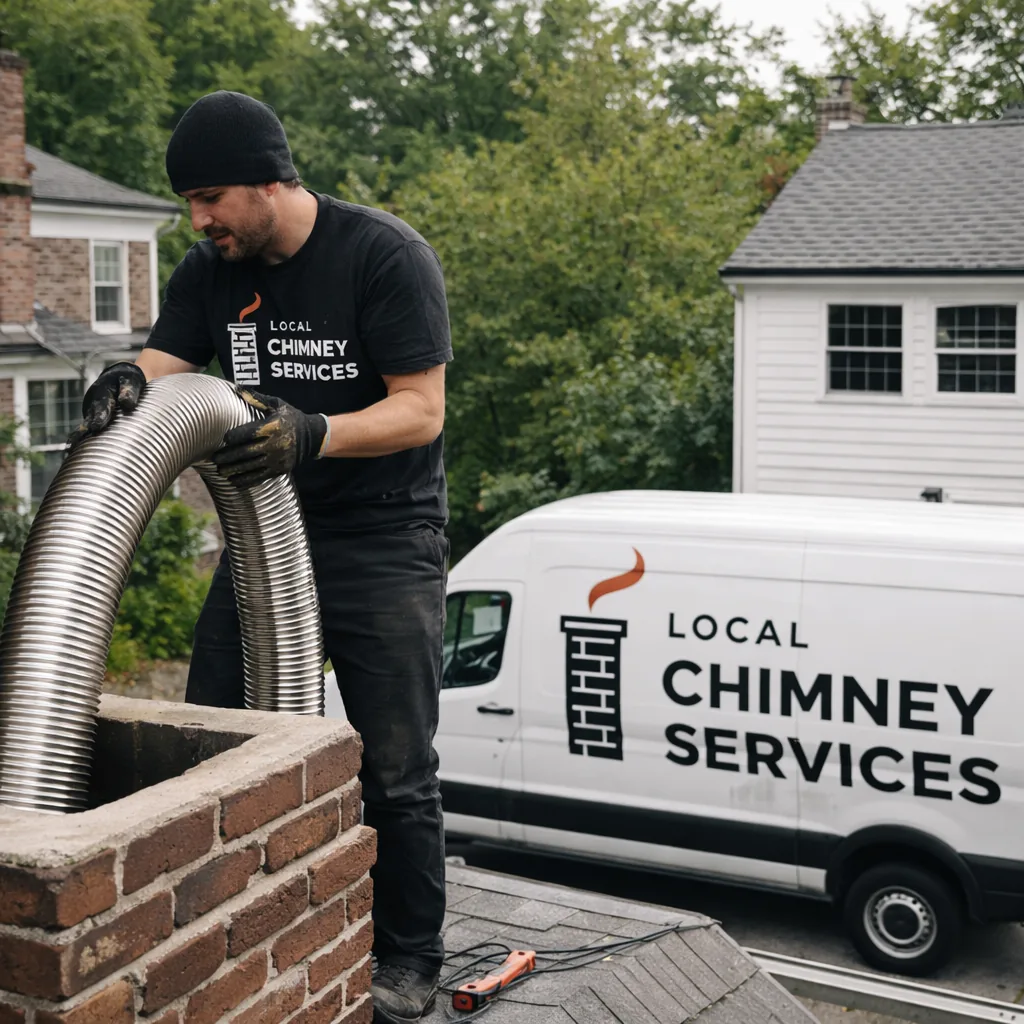
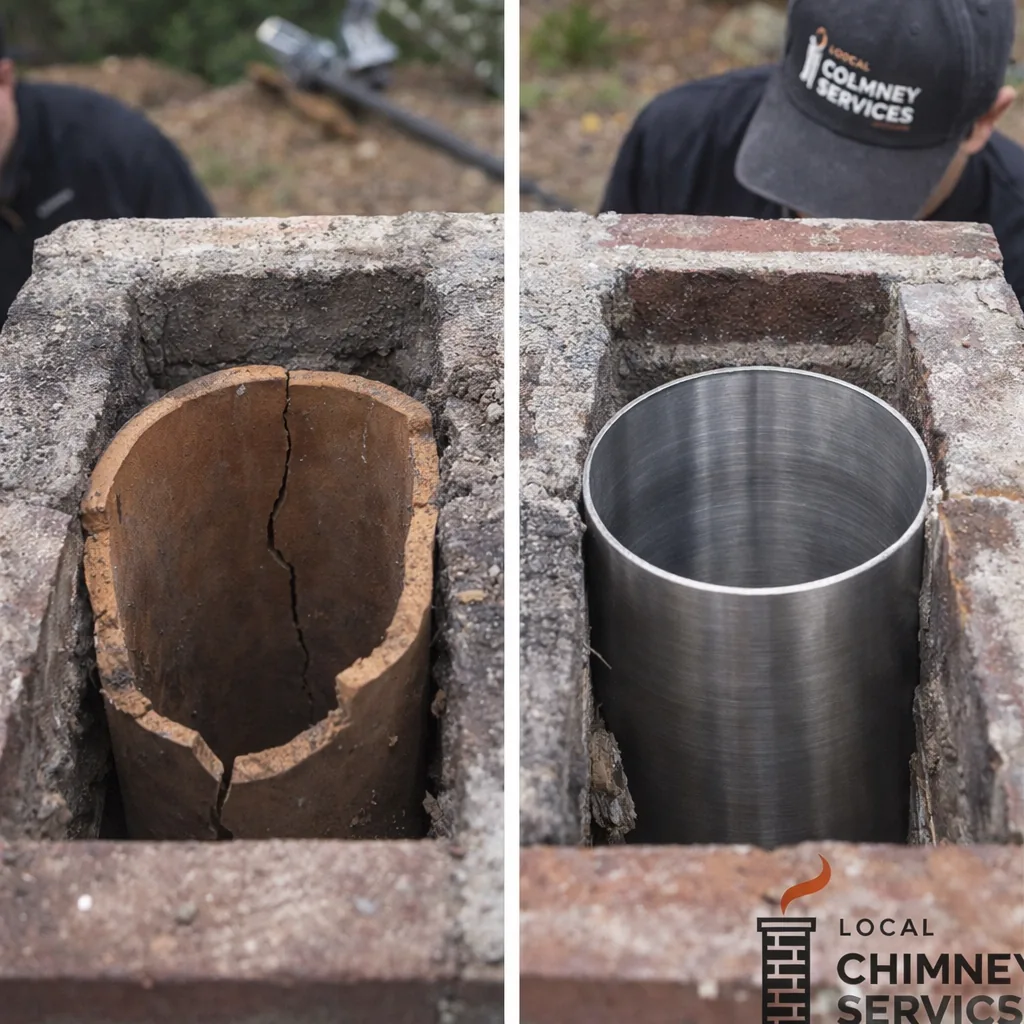
Unlined flues and cracked clay tile
Why the Liner Matters More Than Most Homeowners Realize
A flue liner does a job that's easy to overlook because it's hidden inside the chimney: it contains heat and combustion byproducts and keeps them away from the surrounding brick and mortar. Some of the oldest colonial and stone homes throughout Greenwich and lower Fairfield County were built with unlined flues or clay tile liners that have cracked over decades of use, and either situation lets heat, creosote, and moisture reach masonry that was never meant to handle direct exposure. Cold, damp New England winters and heavy heating-season use only speed up that deterioration.
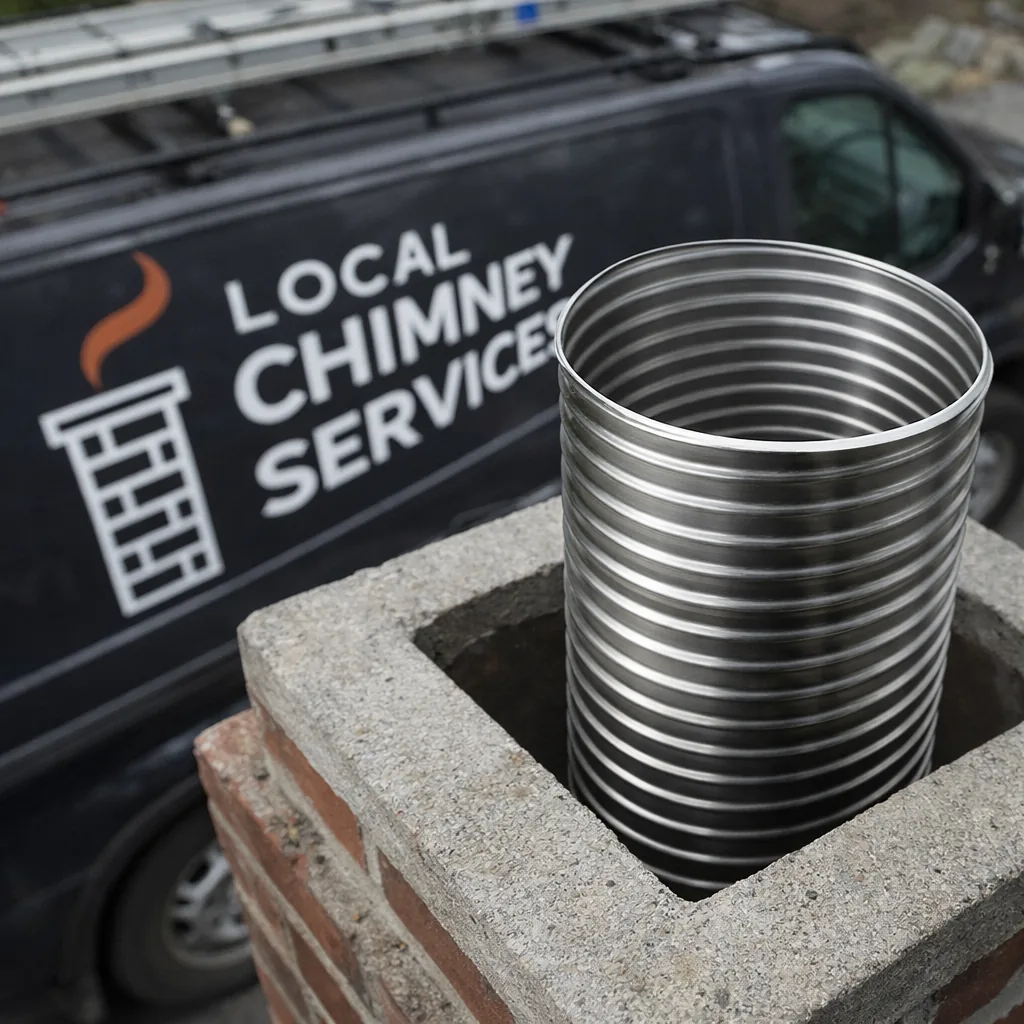
Installation starts with sizing the liner correctly to the appliance or fireplace it serves and to the flue itself, since an oversized or undersized liner hurts draft and can leave a fireplace smoking into the room instead of venting properly. Flexible stainless steel liner is the most common choice for flues that aren't perfectly straight, which describes a lot of older masonry chimneys, while rigid liner suits a straight run. Either can be insulated, which improves draft, keeps flue gases warmer so they rise more efficiently, and reduces how quickly creosote builds up over a full heating season.
A lot of homes here run two separate flues, one for a fireplace and a second venting a furnace or boiler, and each needs its own liner sized to what it's actually venting. A heating appliance liner and a fireplace liner are not interchangeable, and installing the wrong type or size is one of the more common mistakes we come across on chimneys that were relined by someone unfamiliar with the difference.
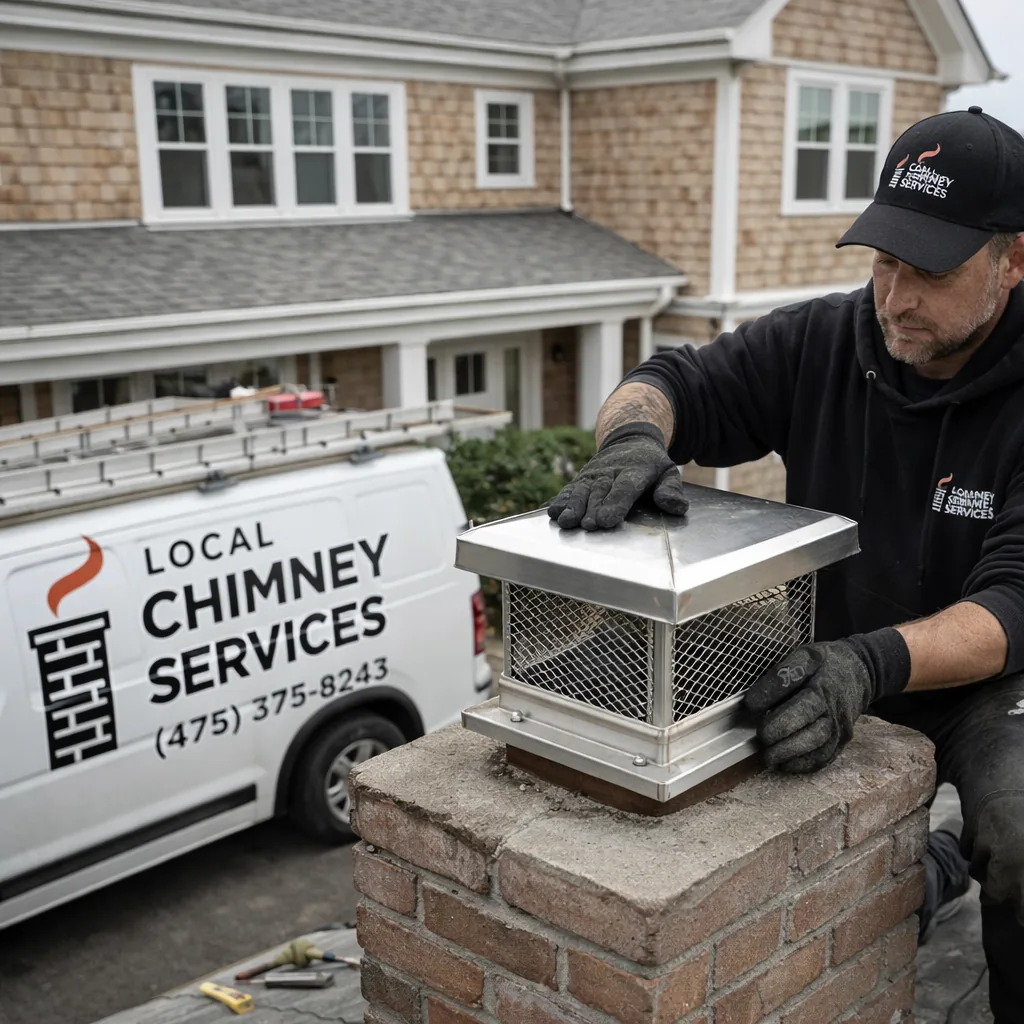
Installing a liner is almost always paired with a real look at the rest of the chimney. A chimney inspection confirms whether the existing liner has failed and whether the crown, cap, and flashing are in good enough shape that the liner will actually be protected once it's in. If the inspection turns up cracked masonry beyond the flue itself, chimney repair work gets scoped into the same visit. Our chimney service in Greenwich treats a reline as part of the whole system, not a part swapped in isolation.
Sizing, material and connections
What's Involved in a Liner Installation
-
Correct Sizing
The liner is sized to match the specific appliance or fireplace it vents, since an incorrect size hurts draft and safety.
-
Flexible Stainless Steel
Flexible liner fits the slight bends common in older masonry flues that aren't perfectly straight.
-
Rigid Liner for Straight Runs
Rigid stainless liner suits a straight flue and offers a smooth, durable interior surface.
-
Insulation Wrap
An insulated liner keeps flue gases warmer, improves draft, and slows creosote buildup over a full heating season.
-
Separate Liners for Separate Flues
A fireplace flue and a heating appliance flue each get their own correctly sized liner, never a shared or mismatched one.
-
Full Connection and Seal
The liner is connected properly at both ends, to the appliance or damper below and capped correctly at the top.
-
10+ Years
Sweeping and repairing Fairfield County chimneys
-
100%
Satisfaction guarantee on workmanship
-
7 Days
A week, with extended hours through heating season
-
CSIA
Trained chimney technicians
From first look to written warranty
How a Liner Installation Visit Works
Five stages, from the first call through the photo-documented report you keep at the end.
-
01
Schedule a Visit
Tell us what prompted the question, whether it's a failed inspection, a smoking fireplace, or an older, unlined flue.
-
02
On-Site Inspection
A CSIA-trained technician checks the flue's current condition, size, and shape before recommending a liner type.
-
03
Liner Selection
We choose flexible or rigid stainless steel, insulated or uninsulated, based on what your specific flue and appliance need.
-
04
Installation
The liner is run the full height of the flue and connected properly at both ends, with the crown and cap checked at the same time.
-
05
Photo Report and Sign-Off
You get a photo-documented report of the finished liner, backed by a written parts-and-labor warranty.
Flues relined across Fairfield County
Recent Liner Installations
Sizing, difficulty and older chimneys
Questions homeowners ask about relining
Can you install a chimney liner yourself?
Is it hard to put in a chimney liner?
Can you put a liner in an old chimney?
How much does it cost to have a chimney liner installed?
Do gas appliances need a different liner than a wood-burning fireplace?
How do I know if my existing liner has failed?
Booking the heating season now
Ready to Get Your Flue Properly Lined?
Tell us whether it's a fireplace or a heating appliance flue, and any smoking or draft issues you've noticed, and we'll get a technician out to assess it and lay out your options.
Serving Greenwich
Local Chimney Services provides fast, same-day garage door repair, installation, and service across Greenwich and the surrounding Orange County communities. Licensed, bonded, and insured, with technicians who call ahead.